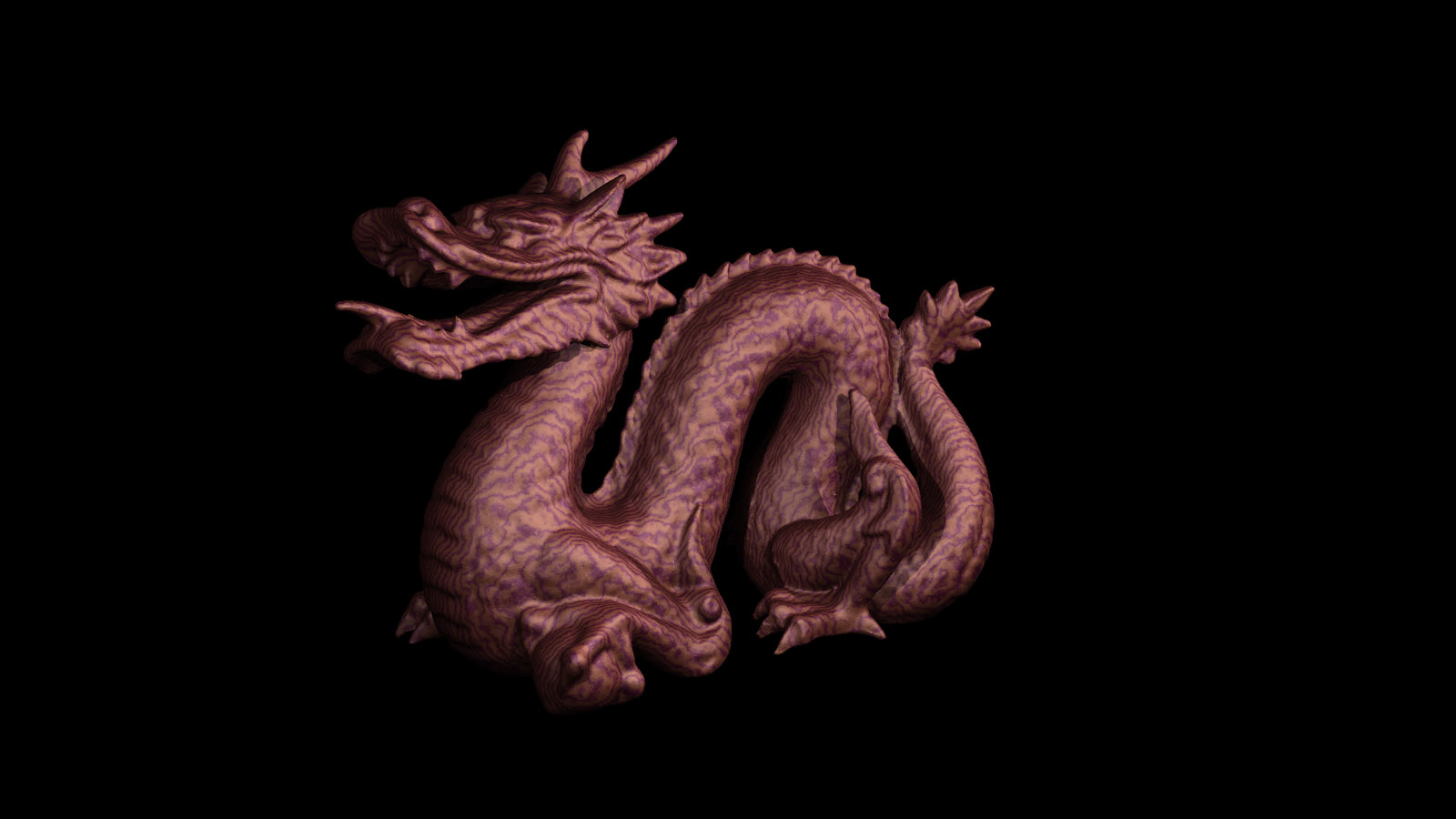
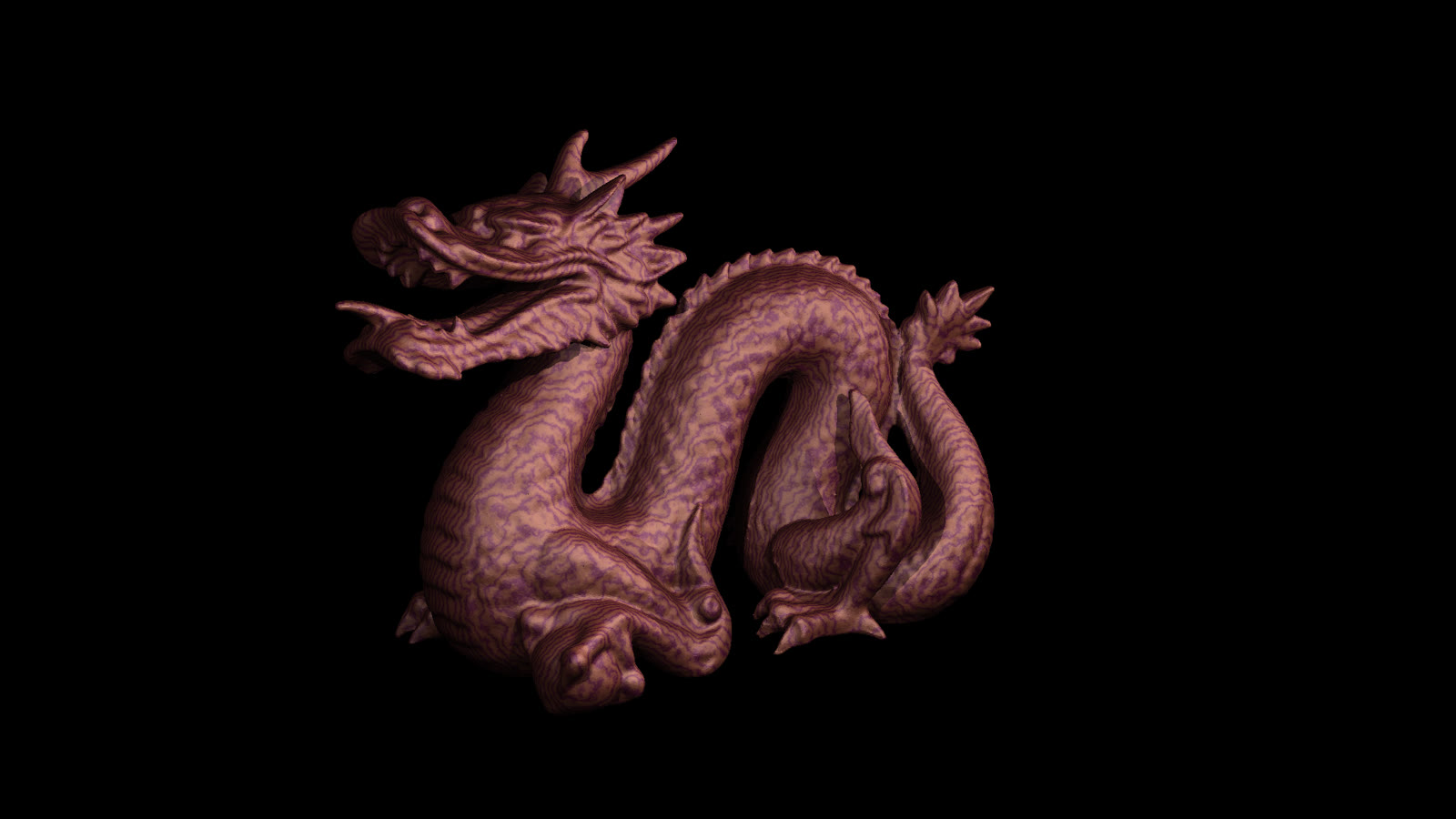
The Stanford dragon, 500k triangles, rendered through the BVH in roughly ten seconds.
A CPU ray tracer I wrote in C over one semester, with no external dependencies. I wrote my own dynamic array, hash map, lexer, and scene file parser. Each assignment added a feature, starting with Perlin noise images and adding camera projection, Phong shading, texture mapping, triangle meshes, reflection, and refraction. A bounding volume hierarchy (BVH) splits each node at the midpoint of its longest axis. With it, the tracer renders the half-million-triangle Stanford dragon in about ten seconds.
My role
Sole author.
Media
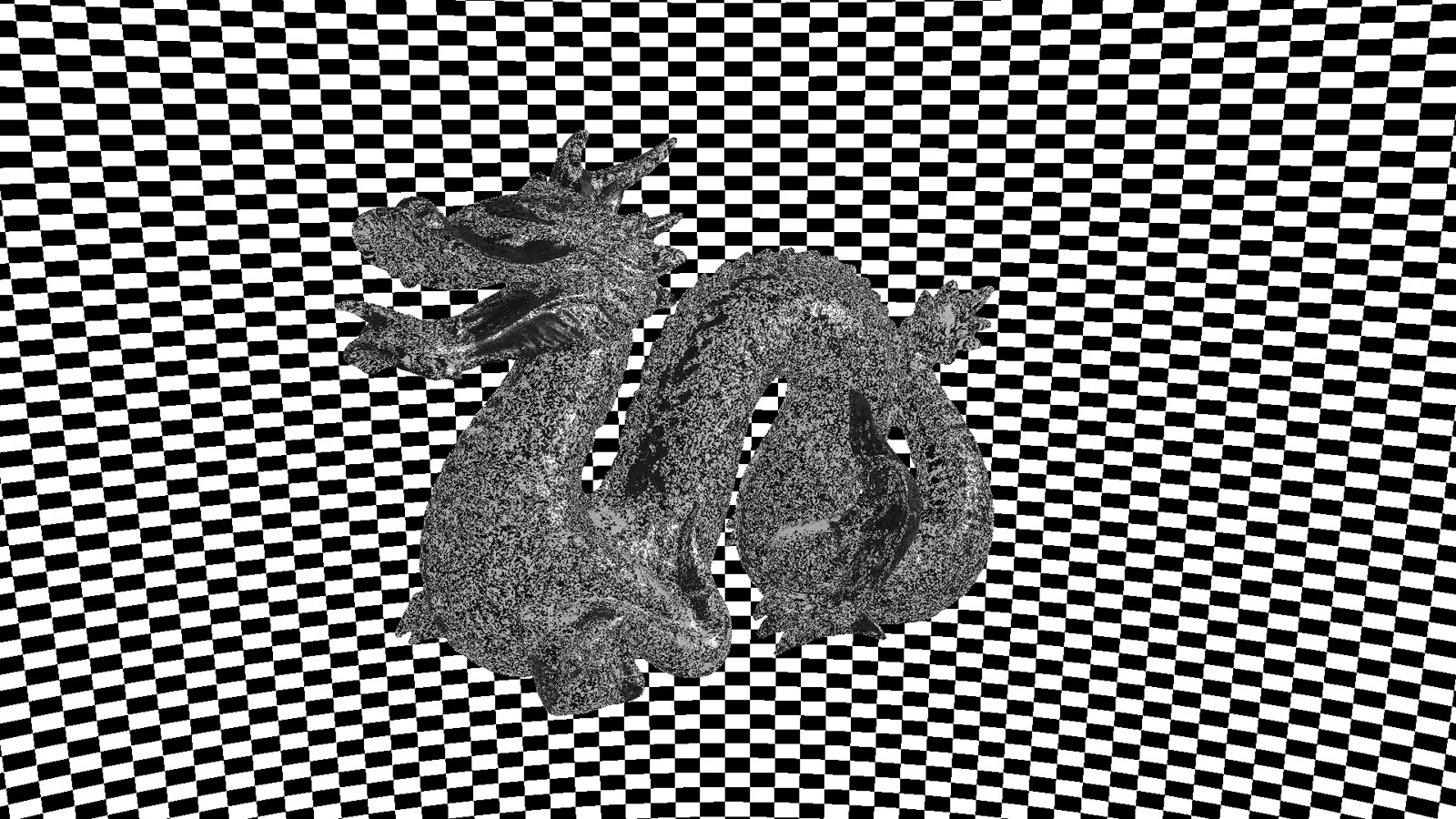
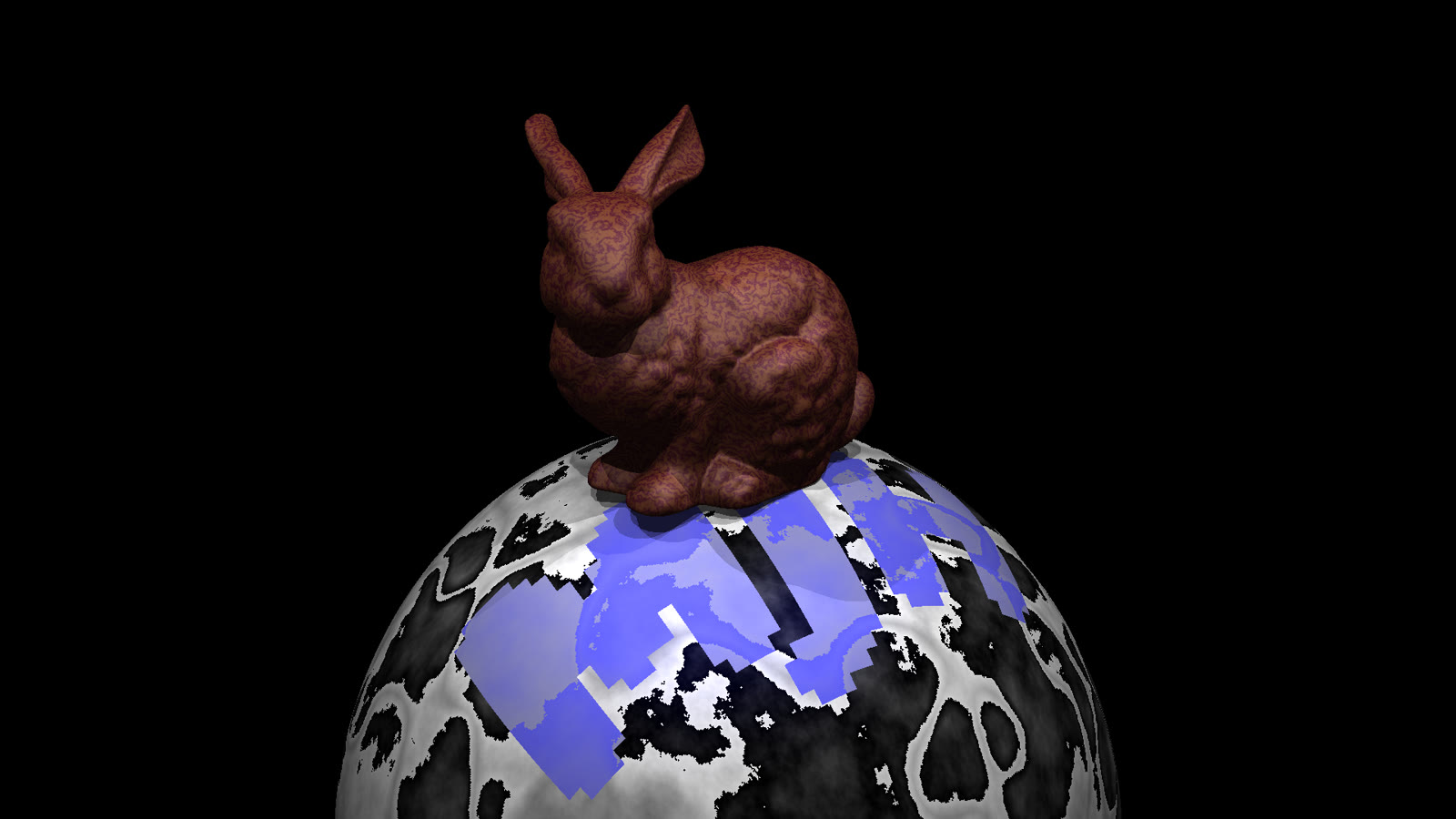
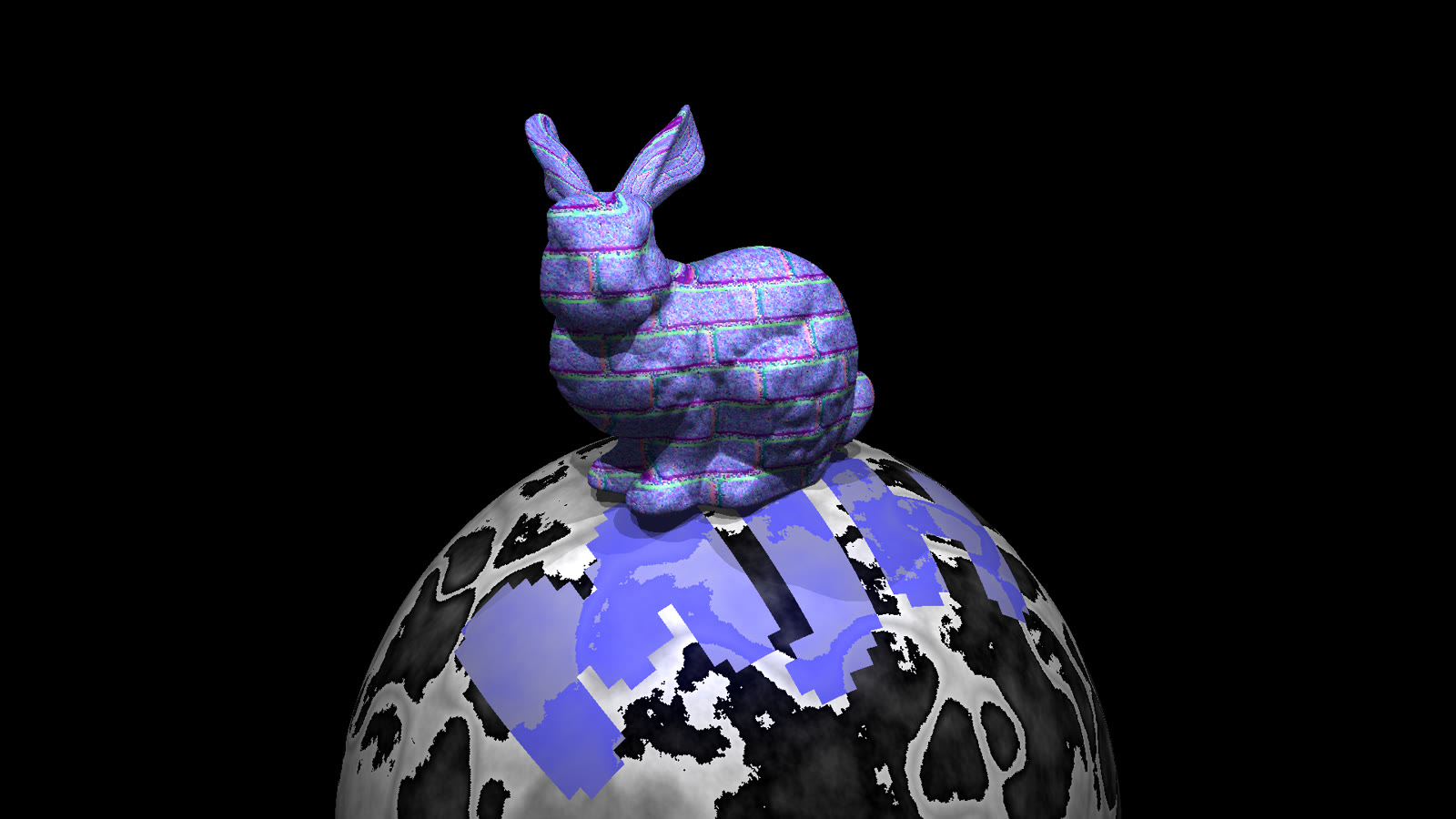
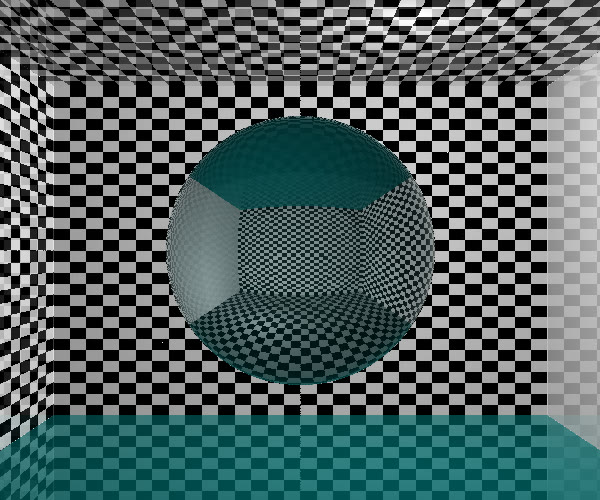
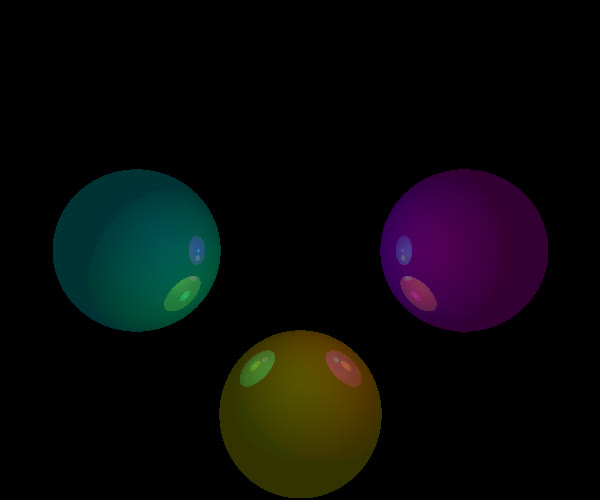
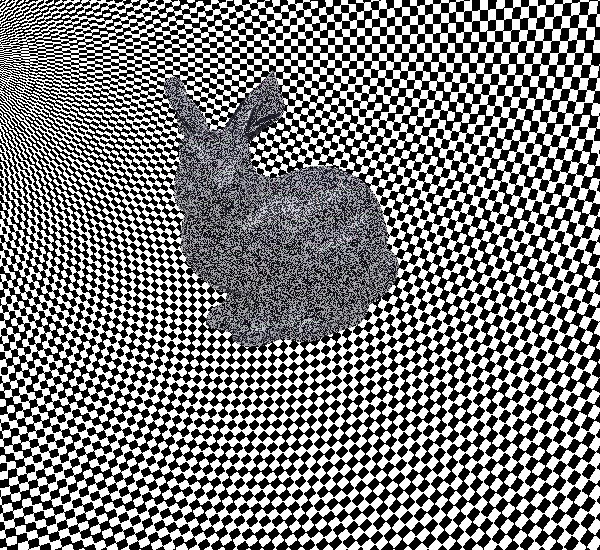
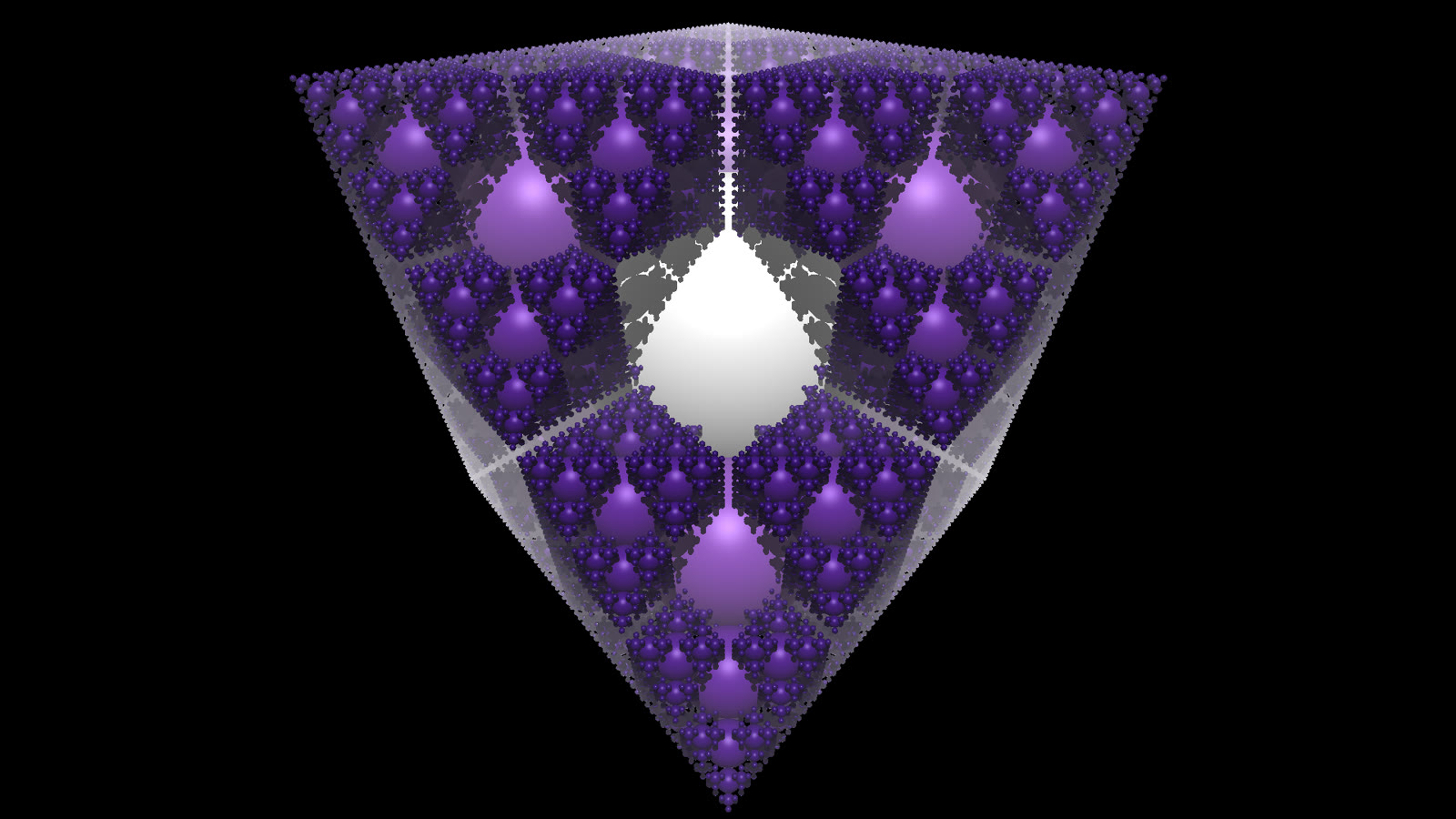
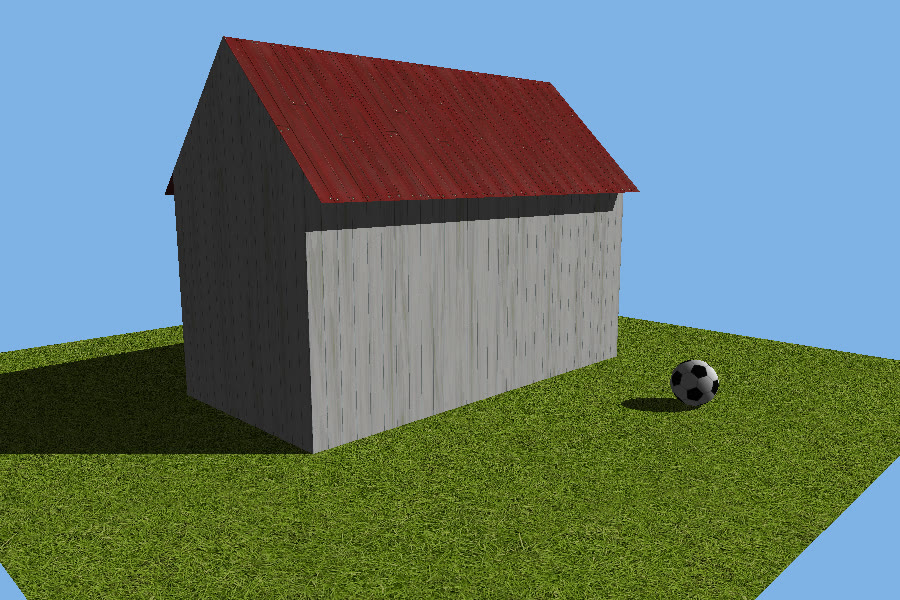
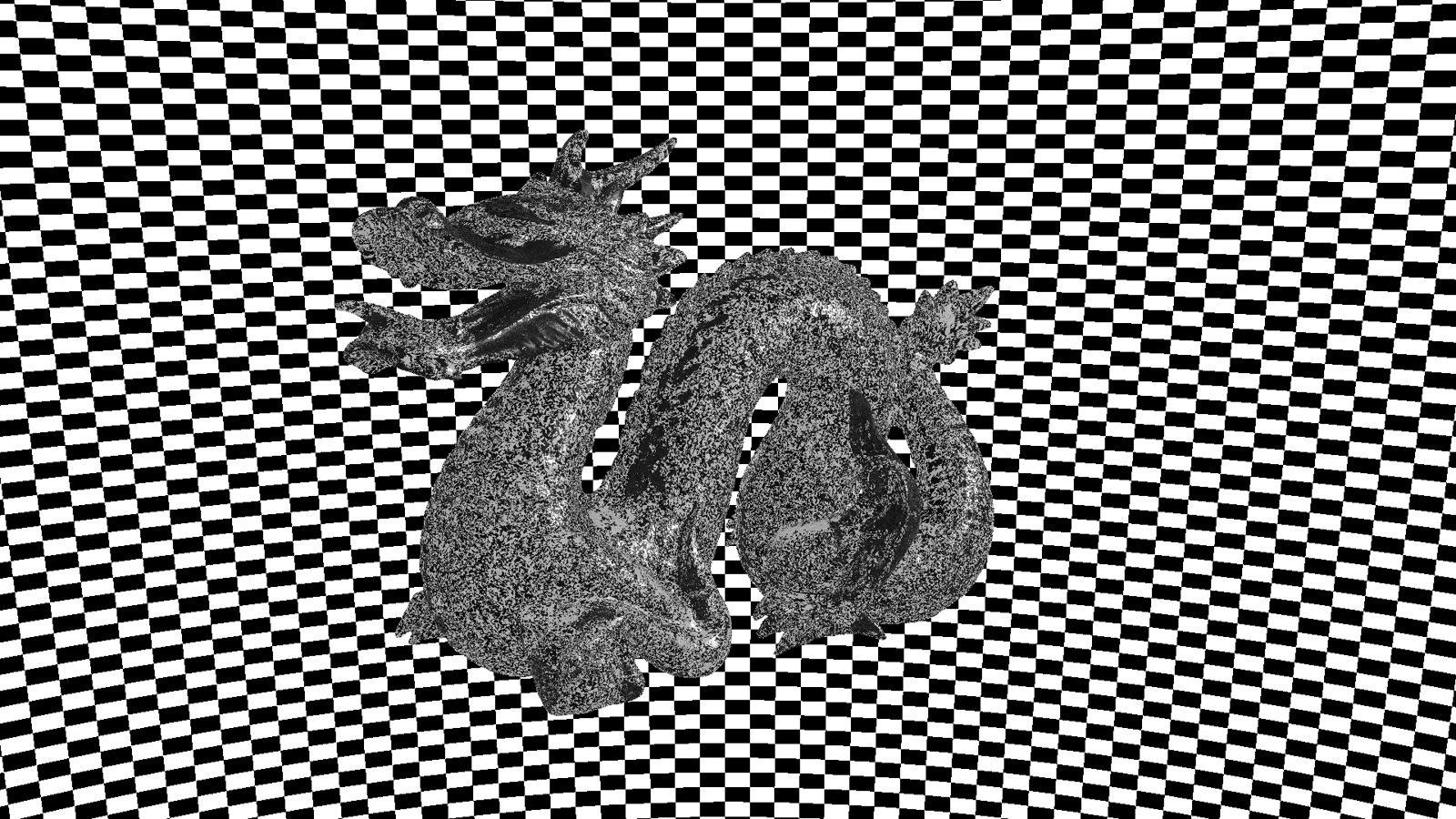
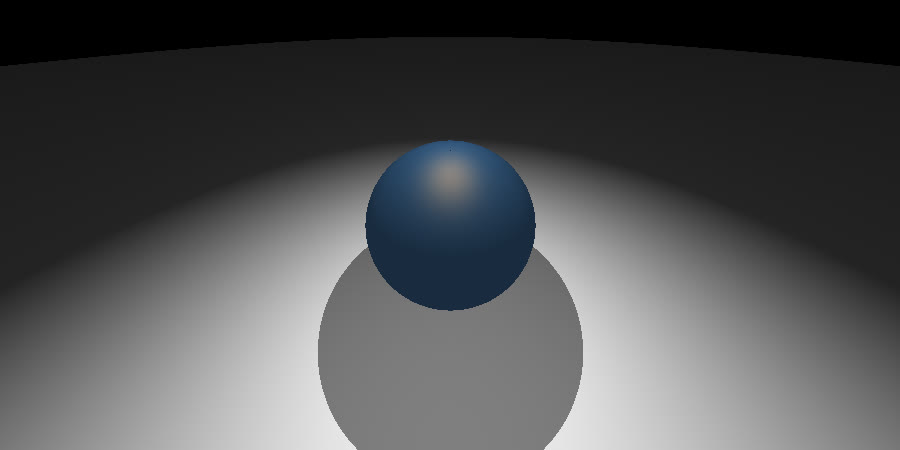
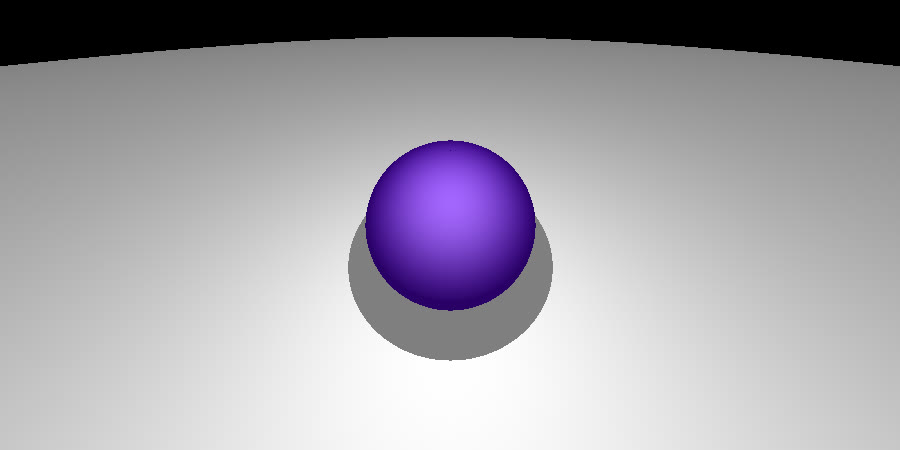
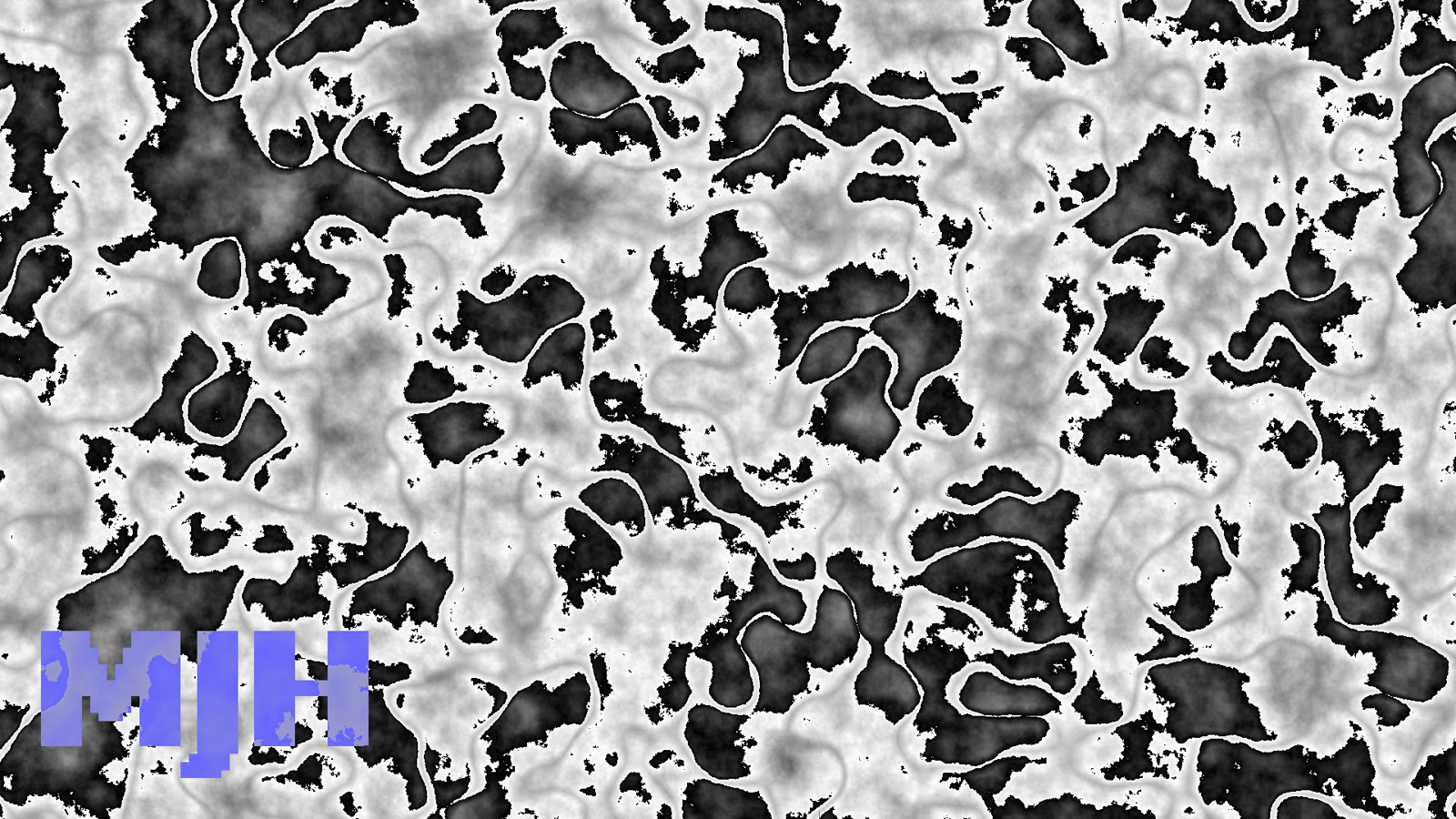
The dragon against a procedural checkerboard.Alternate lighting on the dragon scene.Stanford bunny with texture mapping on a textured sphere.Light refracting through a glass sphere.Light reflecting between spheres.Refraction through the bunny mesh.Phong shading and shadows across a sphere scene.Texture-mapping showcase render.Camera projection study with field of view and up-vector experiments.A textured scene with wood siding, a shingled roof, and grass, all from texture-mapped geometry.The dragon against the checkerboard, before the shading pass.A procedural pattern generated by the noise functions.Shading study of a sphere and its shadow under varying light.Shading study of the same scene with different material parameters.Camera study with field of view and up-vector experiments from the writeup.Camera study showing the effect of widening the field of view.Perlin noise image generation from the first assignment.