The Effect of Impossible Spaces on VR Locomotion
A VR user study testing whether impossible spaces lead people to walk more and teleport less.
2024 · CSCI 5619 Virtual Reality and 3D Interaction, University of Minnesota · created with Evan Voogd
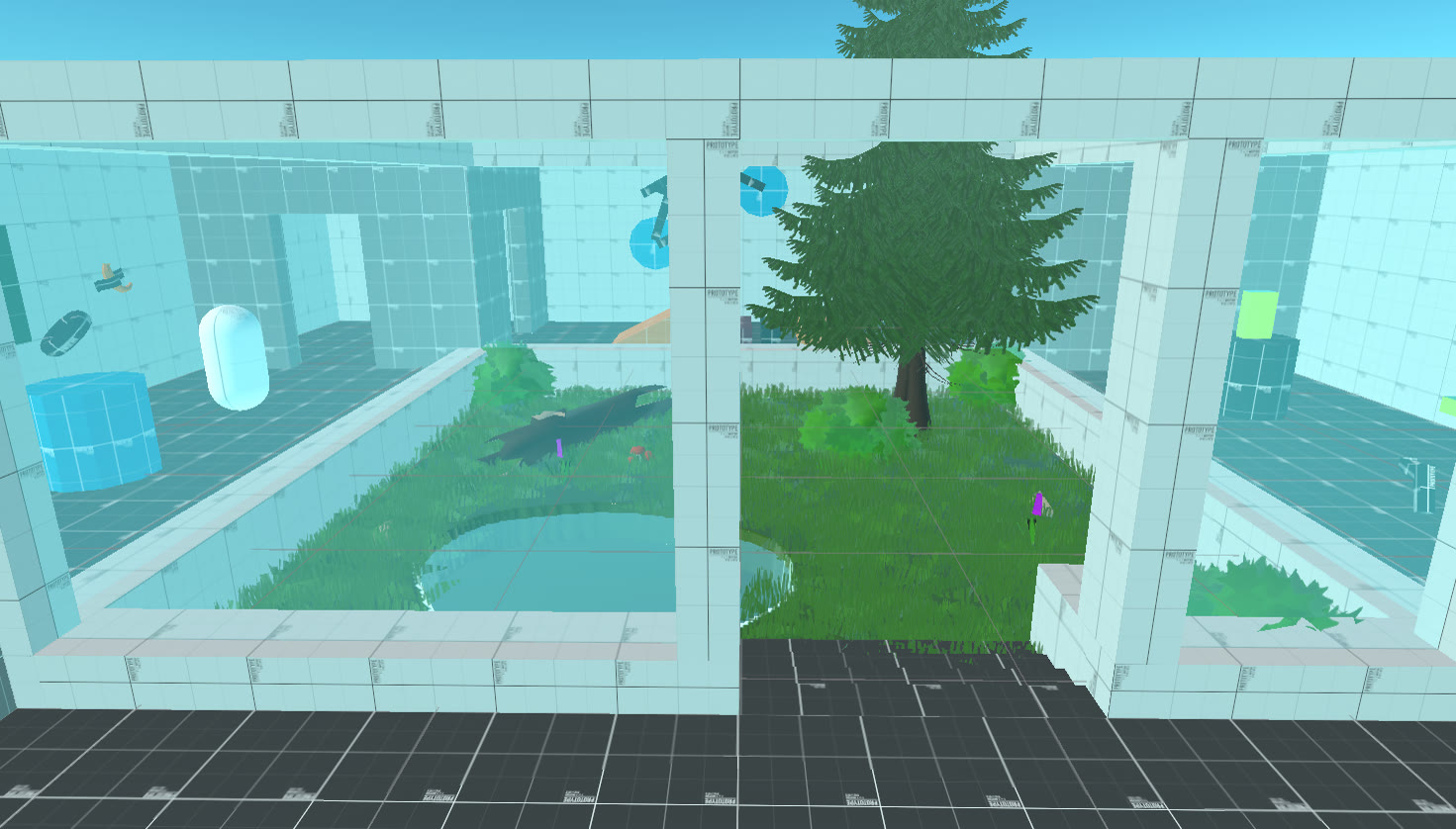
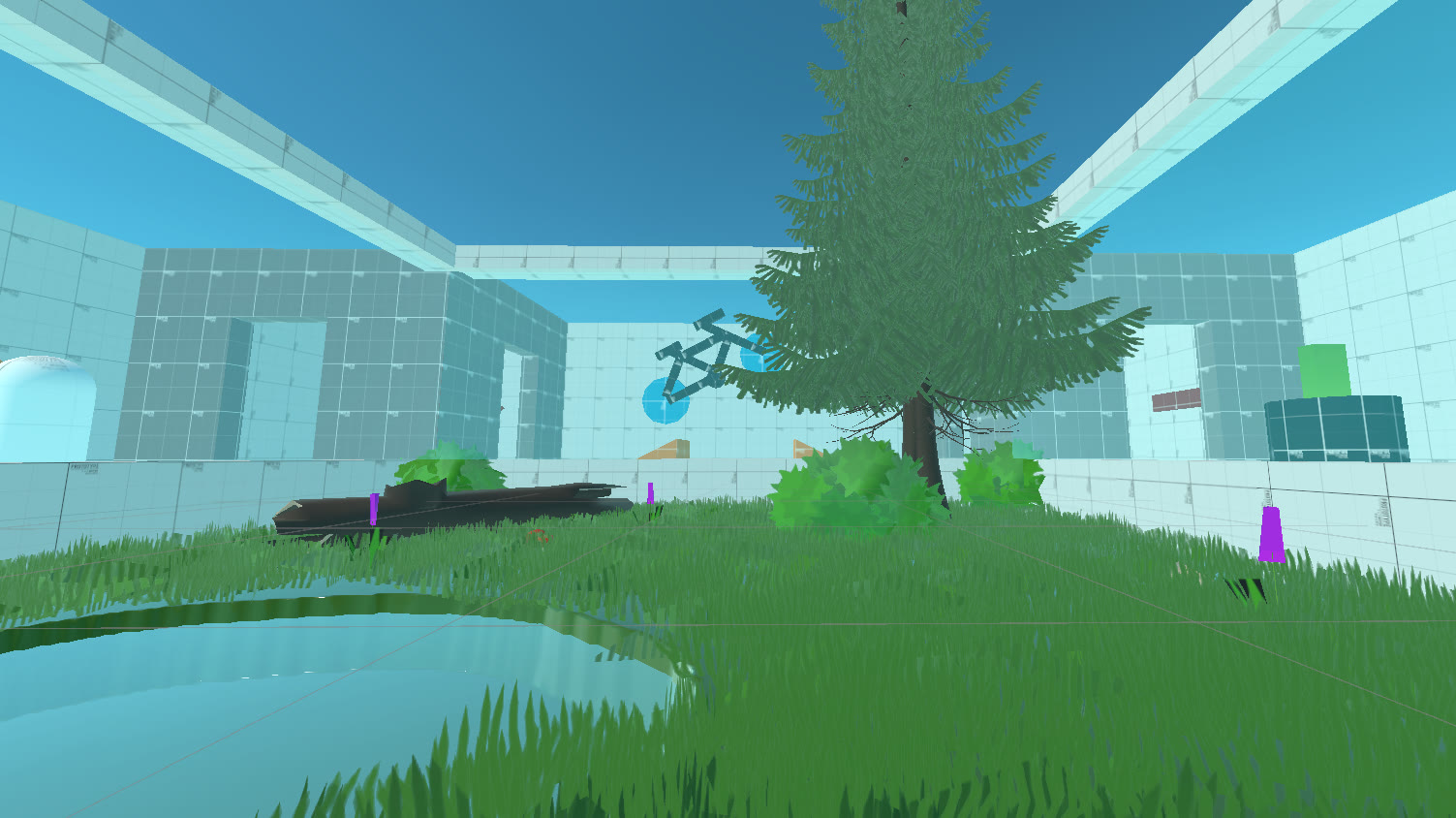
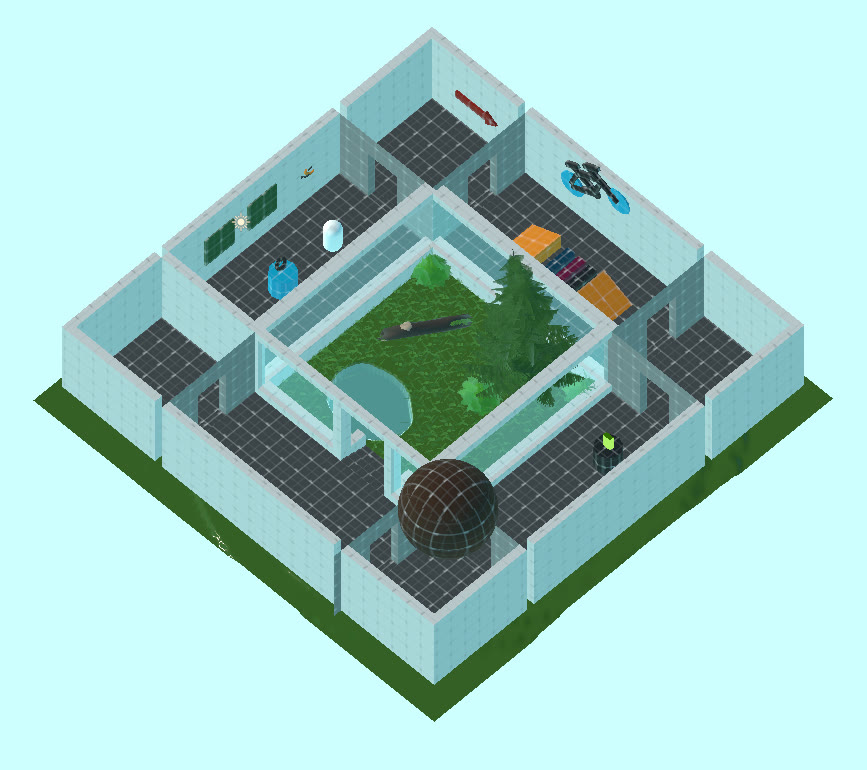
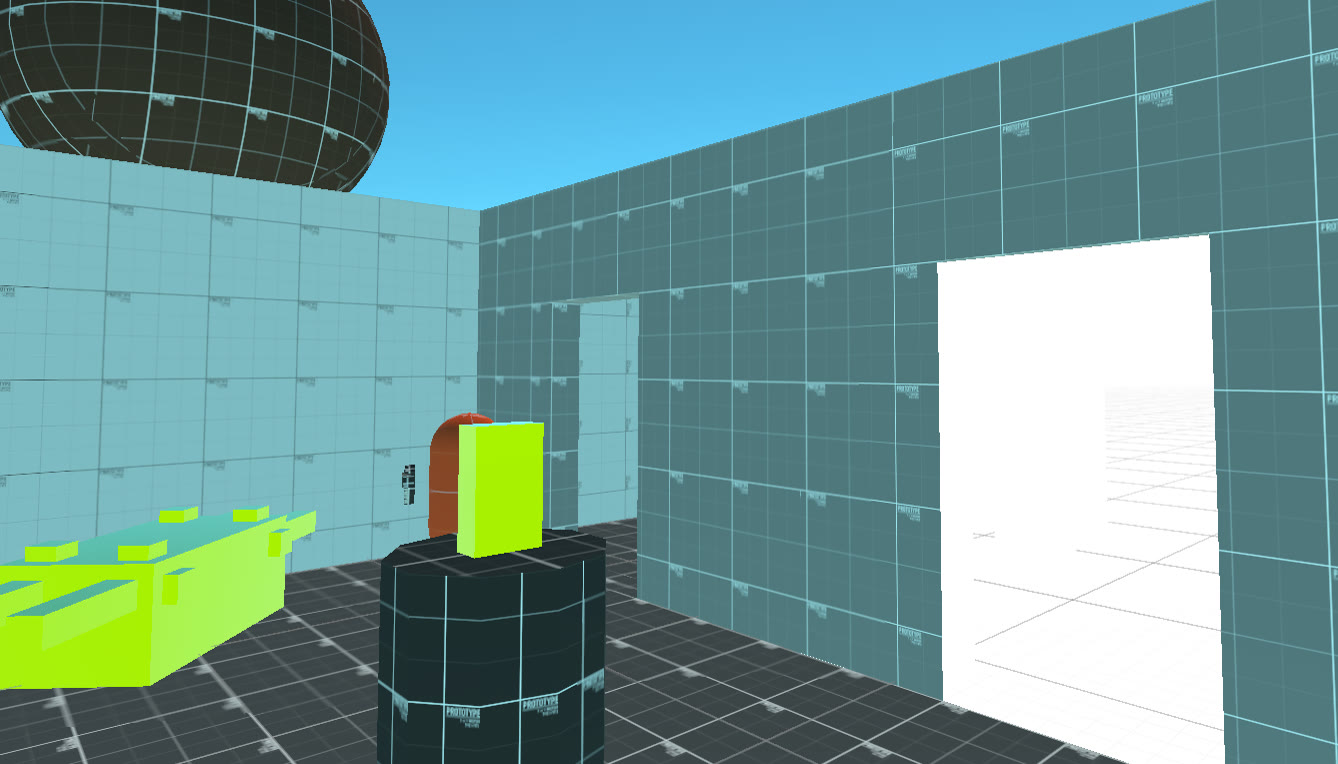
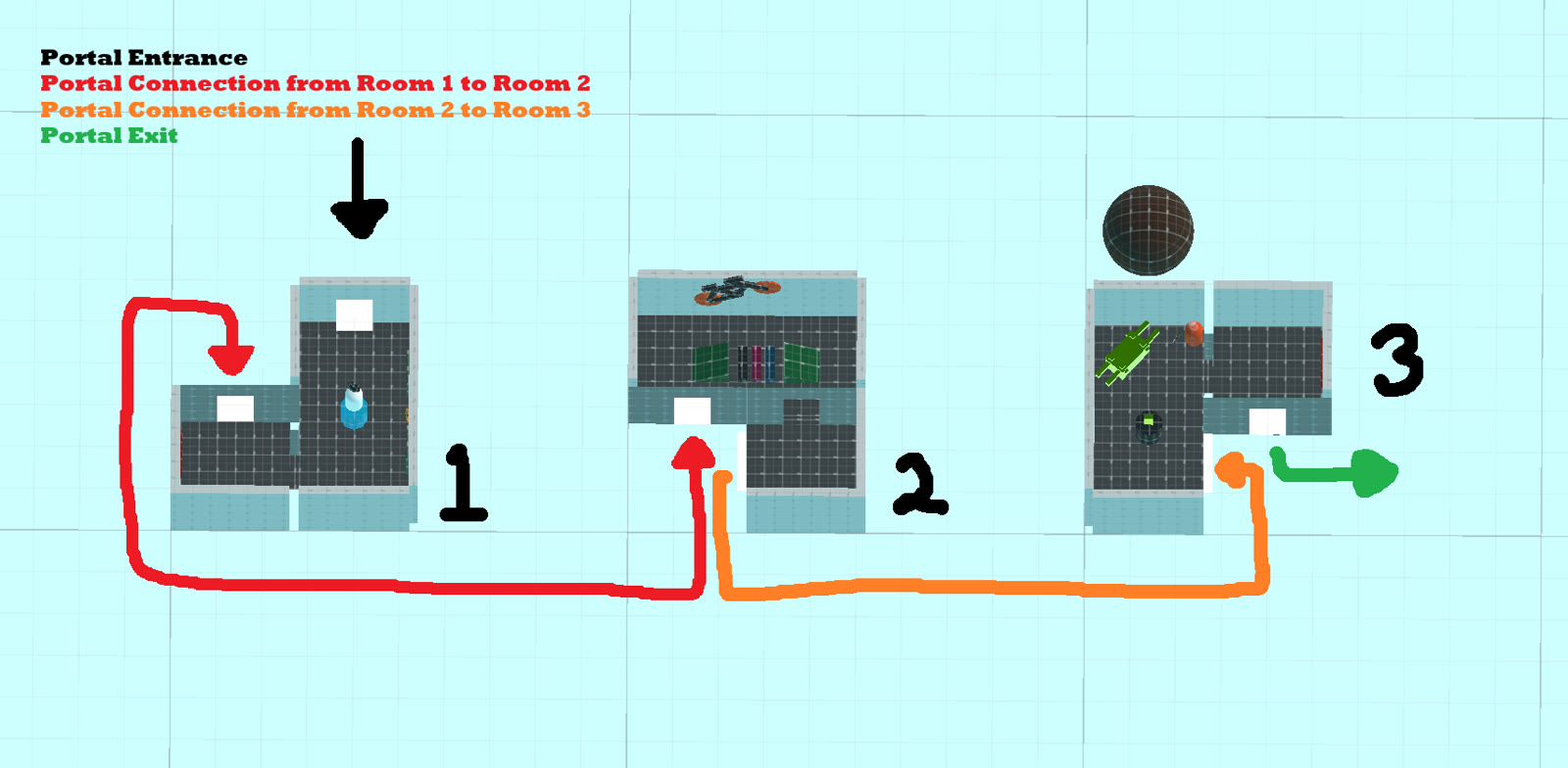
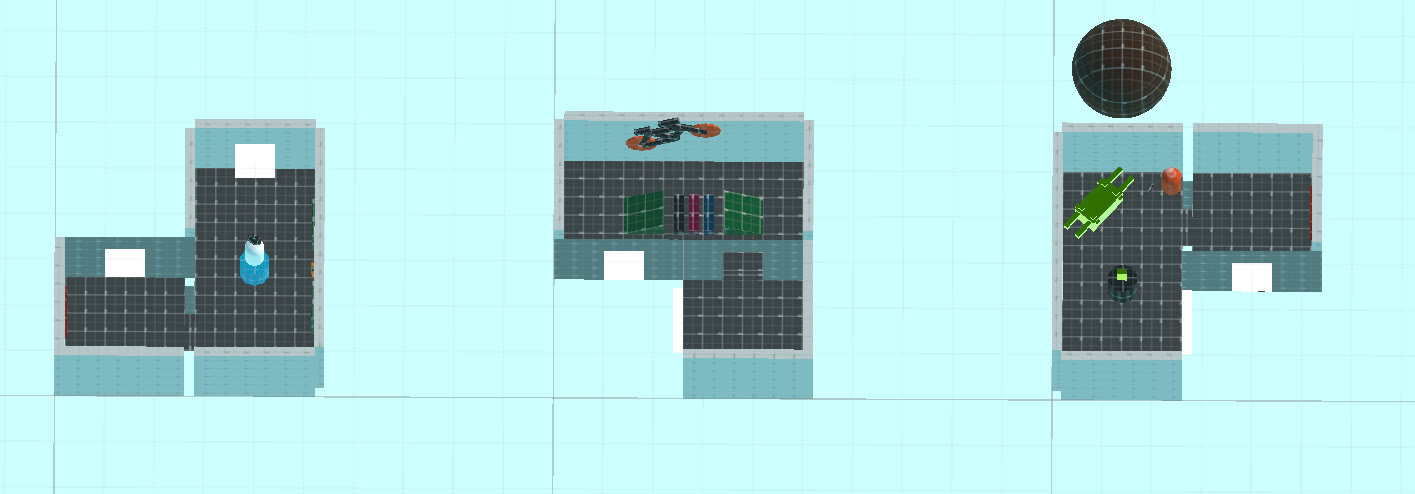
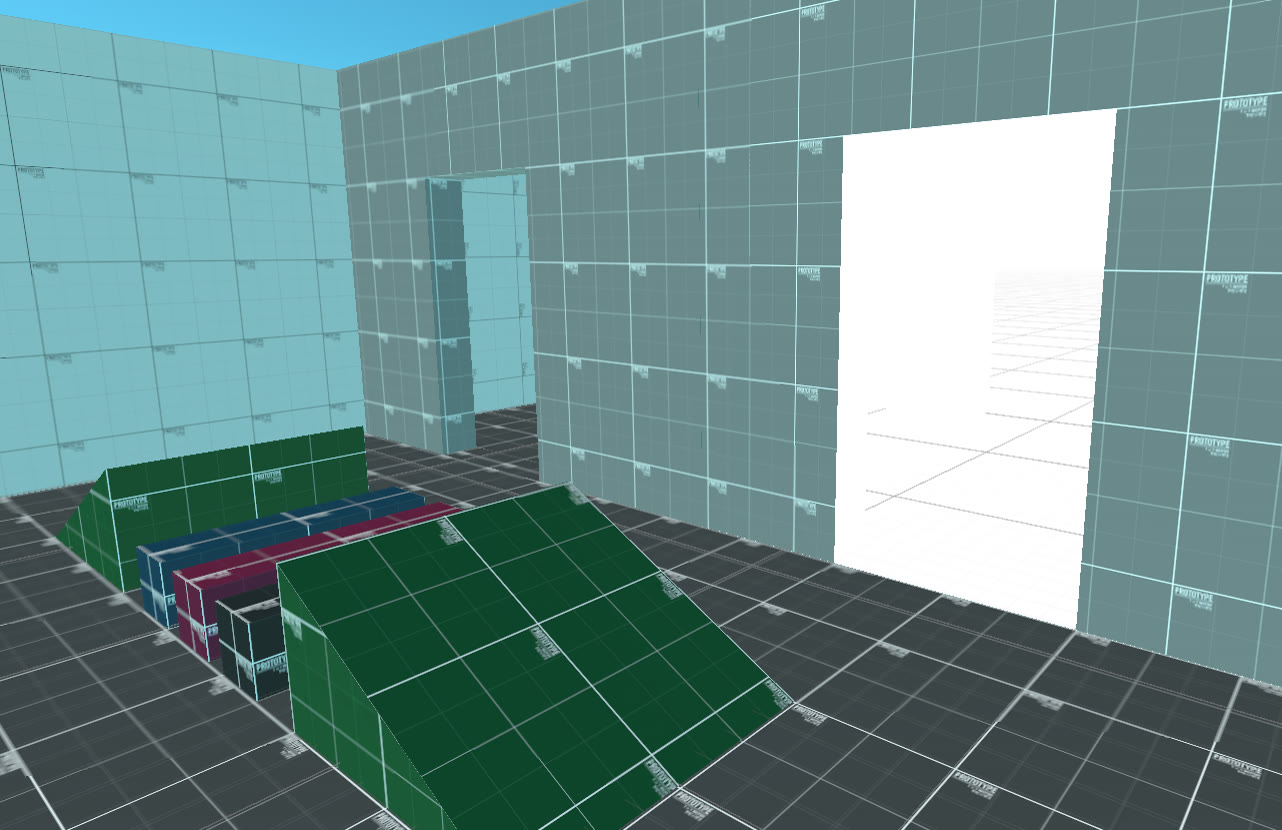
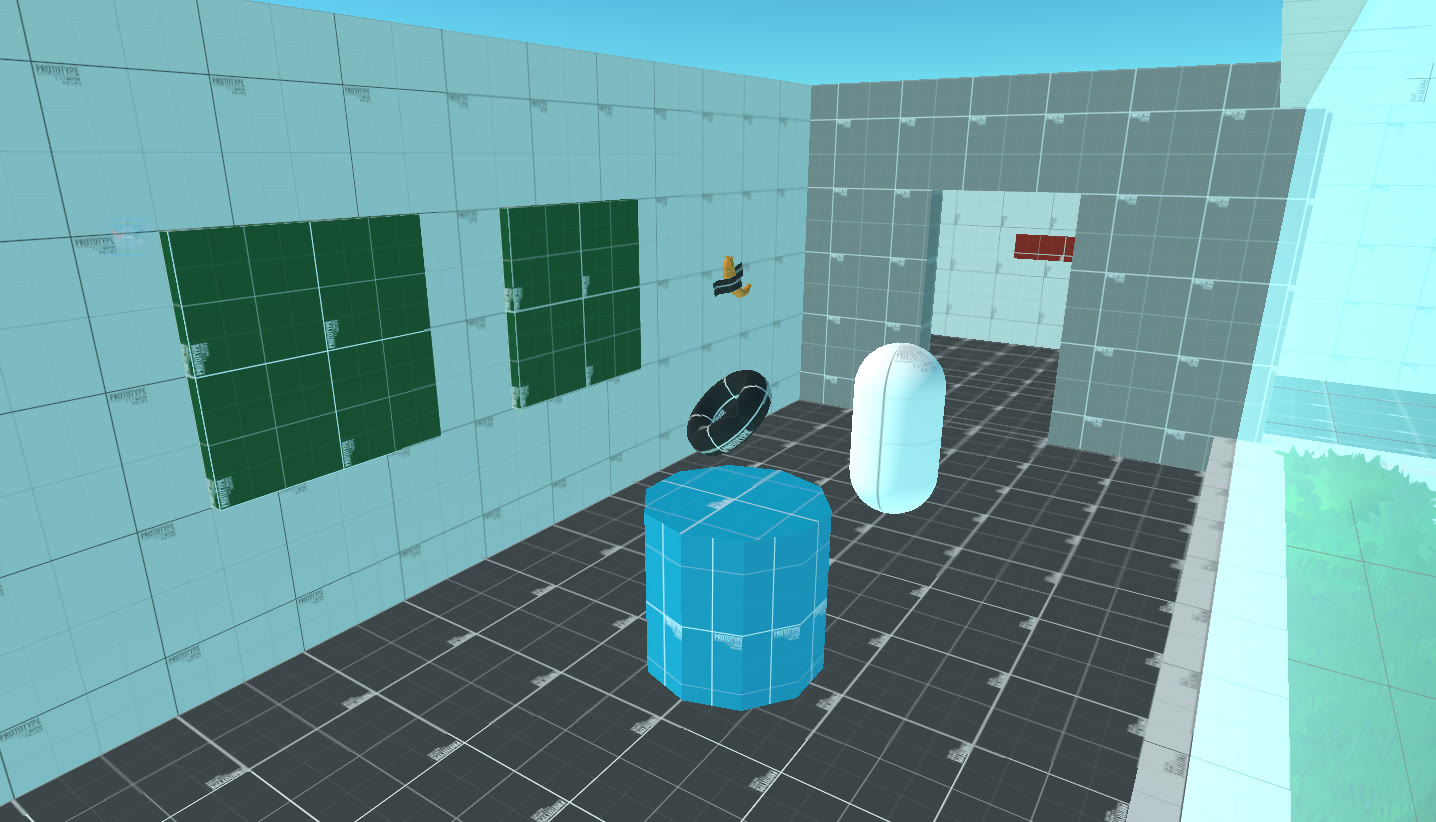
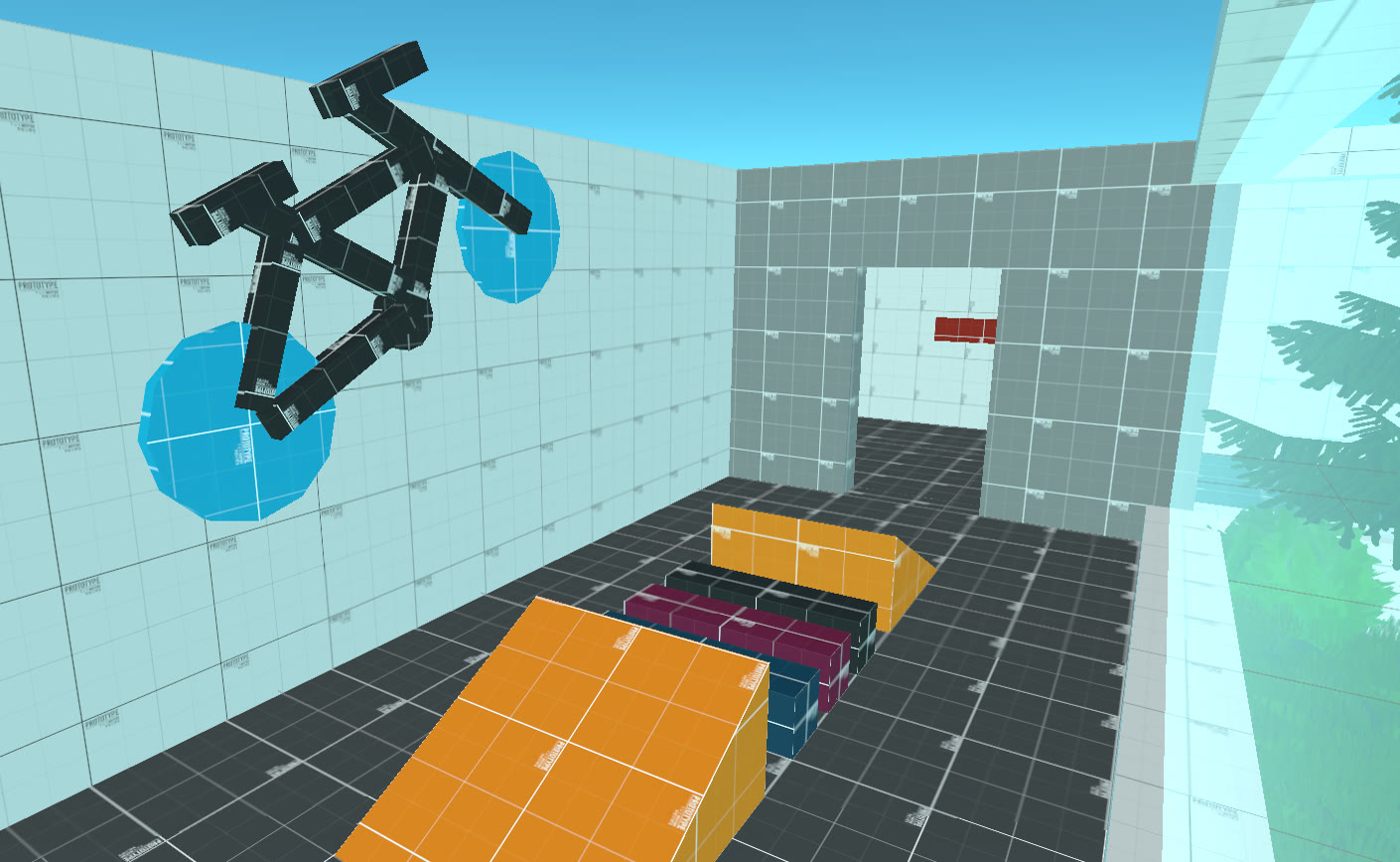
A VR user study testing whether impossible spaces make people walk more and teleport less. Impossible spaces overlap virtual rooms through seamless portals, so several rooms occupy the same physical floor area. Natural walking is the best form of locomotion in VR, but few people have the floor space for it, so developers fall back on joystick movement and teleportation. Prior work established that users barely notice the overlap. Nobody had checked whether it actually reduces reliance on the non-walking techniques it exists to avoid. We built a conventional level for a control group and a compressed level for an experimental group in Unity, and logged joystick time, walking time, and teleport count.
My role
Built the non-Euclidean level geometry and the locomotion telemetry, and ran and analyzed the study.
Results
Two-sample t-tests on the logged movement. The walking hypothesis held. The experimental group spent significantly more time walking relative to joystick use, with p ≈ 0.0027. The teleportation hypothesis did not hold. The reduction in teleport count was not significant, with p ≈ 0.1. So impossible spaces shifted users toward walking without measurably changing how often they teleported.
Media